

Ten inputs can turn a first interior design enquiry from a style chat into a usable project handover: property details, room list, users, photos, plans, constraints, budget, timeline, approval route, and questions for the provider.
The client is the decision-maker in this process. Cccuwe, or any interior design provider, can give clearer guidance when the first conversation starts with evidence rather than guesswork.
What should a UAE client prepare before contacting Cccuwe about an interior design project?
A UAE client should prepare a clear project brief, property details, room priorities, budget range, timeline expectations, photos or plans, and any building or community rules before contacting Cccuwe. This preparation turns the first consultation into a feasibility, design, approval, and quotation discussion.
A first interior design brief should define the property, rooms, users, and desired outcome
The first brief should make the client problem visible before style is discussed. A villa renovation, apartment refresh, office fit-out, or mixed-use interior will each raise different questions about access, working hours, approvals, furniture reuse, MEP services, and disruption to daily life.
| Bring this to the first enquiry | Why it matters to the designer |
|---|---|
| Property type, emirate, building, community, and unit or plot context | Location and property type affect site access, authority route, community rules, and realistic fit-out sequencing. |
| Ownership or tenancy status, plus landlord consent status if rented | Renovation permissions can differ for owners, tenants, villas, and managed apartments. |
| Room list with priority ranking: urgent, important, optional | Priority ranking helps separate must-solve scope from decorative preference. |
| User profile: adults, children, guests, staff, pets, work-from-home needs | User details shape storage, circulation, durability, privacy, acoustics, and maintenance choices. |
| Accessibility or mobility needs | Accessible planning needs early space checks. The 2010 ADA Standards cite a 30 by 48 inch clear floor or ground space for wheelchair positioning, and accessible dining or work surfaces at 28 to 34 inches above the finished floor. |
| Desired outcome: resale refresh, family upgrade, luxury classic scheme, office efficiency, or full renovation | The outcome guides concept depth, procurement effort, and the level of technical coordination needed. |
| Budget band and known exclusions | A budget band helps the provider suggest a realistic service route instead of pricing an undefined idea. |
| Target dates, move-in dates, travel periods, and no-work periods | Timeline constraints affect phasing, procurement choices, and whether temporary protection or partial occupation must be planned. |
| Known building or community rules | Rules on contractor access, lifts, waste removal, noise hours, and approvals can alter the programme before design begins. |
A short written brief is enough at this stage. The client does not need final answers on layout, materials, or furniture, but the client should state the decision to be made: “redesign the apartment for family living,” “prepare an office reception and pantry,” or “upgrade the villa ground floor without changing structure.”
A useful project file should include photos, floor plans, measurements, and known constraints
The project file should help the designer understand the site without guessing. Useful photos include each room from all corners, ceiling and lighting points, flooring, windows, doors, air-conditioning grilles, switches, plumbing points, fixed joinery, and existing furniture that may stay.
Floor plan records can be formal or informal. A developer plan, tenancy layout, measured sketch, marked-up PDF, or CAD file can all help. If measurements are approximate, label them as approximate and identify what has not been checked, such as ceiling height, wall thickness, service routes, or balcony drainage.
Known constraints should be stated plainly. Examples include “cannot remove existing wardrobes,” “must keep the marble floor,” “needs a closed kitchen,” “requires a quiet study for video calls,” or “balcony furniture must tolerate heat and dust.” These details stop the first meeting from drifting into attractive ideas that cannot serve the property.
Once the base file is ready, the next useful step is to break the brief down room by room, because a room-by-room checklist gives an interior designer the clearest starting scope.
A room-by-room checklist gives an interior designer the clearest starting scope
A room-by-room checklist is the most practical way to brief Cccuwe or any interior design provider because it converts broad preferences into deliverable decisions across must-change items, keep items, storage needs, lighting concerns, furniture requirements, maintenance expectations, and possible MEP impact.
Each room should list what stays, what changes, and what must be solved
The checklist should treat every room as a small scope decision, not as a style label. A “modern living room” gives limited direction; a living room brief that says the sofa stays, the TV wall changes, glare from afternoon sun must be reduced, and concealed storage is needed gives the designer a practical starting point.

A room-by-room checklist gives an interior designer the clearest starting scope shown as a practical workspace reference.
- Majlis: record seating capacity, guest flow, privacy needs, coffee service, prayer or family-use overlap, and any furniture with sentimental or high replacement value.
- Living room: list existing sofas, media equipment, window treatments, artwork, circulation problems, glare, cable clutter, acoustic issues, and heat gain near large glazing.
- Bedrooms: identify bed sizes, wardrobes, dressing tables, blackout needs, bedside power points, storage shortages, and whether built-in joinery should stay or be replaced.
- Kitchen: separate cosmetic refresh from partial renovation or full fit-out by noting appliance changes, cabinet condition, worktop replacement, plumbing points, extraction, lighting, and procurement responsibilities.
- Bathrooms: note leaks, condensation, slippery surfaces, weak ventilation, vanity storage, sanitaryware changes, and whether plumbing or waterproofing work may be involved.
- Balcony: record sun exposure, privacy, drainage, permissible furniture, outdoor-rated finishes, dust exposure, and community restrictions that may affect fixed additions.
- Office or study: define desk count, video-call background, task lighting, cable management, storage, acoustic separation, and visitor visibility.
- Reception and pantry: for offices, capture visitor flow, brand presentation, waiting comfort, staff use, water points, appliance needs, and after-hours access.
Lighting deserves a separate note in each room because it affects comfort, maintenance, and operating cost. Where qualified LED bulbs or fixtures are applicable, ENERGY STAR states that qualified LED lighting uses at least 75 percent less energy and lasts up to 25 times longer than incandescent lighting, so lighting preferences should cover brightness, colour temperature, dimming, and fixture access for maintenance.
Lifestyle and operational constraints should be stated before design work begins
Lifestyle constraints explain why a design choice may succeed or fail after handover. A family with children, pets, frequent guests, heavy cooking, daily housekeeping, or a dedicated prayer space needs different materials, storage planning, and circulation from a single-occupant apartment used mainly in the evening.
- Household use: note children, pets, elderly users, guest frequency, shoe storage, maid or housekeeping routines, laundry flow, cooking intensity, and any rooms that must remain usable during works.
- Office use: record staff count, visitor peaks, privacy needs, meeting room demand, reception supervision, pantry traffic, document storage, brand display needs, and working hours that limit noisy works.
- UAE conditions: flag direct sun, dust, humidity, heavy air-conditioning, sand tracked indoors, balcony exposure, and finishes that must clean easily without losing appearance.
- Risk areas: identify moisture, odour, poor ventilation, glare, echo, overheating, insufficient sockets, weak task lighting, tight circulation, and furniture that blocks doors or maintenance panels.
Moisture notes should be direct, especially in bathrooms, laundry areas, closets on external walls, and poorly ventilated rooms. The U.S. Environmental Protection Agency guide to mold and moisture says condensation and wet or damp spots should be fixed promptly to help prevent mold growth, so visible staining, musty smells, or recurring damp patches should be photographed before the consultation.
Once each room has a keep, change, and solve list, the next practical question is money: budget preparation should separate design fees, fit-out works, furniture, approvals, and contingency.
Budget preparation should separate design fees, fit-out works, furniture, approvals, and contingency
A useful interior design budget should not be presented as one vague figure. In the UAE, clients should separate professional fees, fit-out works, furniture, lighting, appliances, permits, delivery, installation, and contingency so the provider can explain what is realistic within the project type and quality level.
A client should state a budget band and identify items excluded from that band
A budget band gives the designer a decision boundary, not a blank cheque. A clear phrase is enough: “This is the preferred total spend for design and execution,” or “This amount excludes loose furniture, appliances, and authority charges.” The second version is stronger because it prevents the first concept from being priced against the wrong scope.
- Design fees: concept design, space planning, drawings, material schedules, revisions, and site coordination if included.
- Fit-out works: demolition, partitions, ceilings, joinery, flooring, paint, MEP changes, waterproofing, and contractor preliminaries where applicable.
- Furniture and soft furnishings: sofas, beds, dining pieces, curtains, rugs, loose décor, and installation labour.
- Lighting and appliances: decorative lighting, task lighting, kitchen appliances, laundry equipment, smart controls, and any specialist cabling.
- Approvals and building costs: authority fees, community approvals, access cards, deposits, lift protection, waste removal, and inspection-related costs where applicable.
- Logistics: delivery, storage, customs or import handling if relevant, moving costs, and after-hours building access.
- Contingency: a separate allowance for site discoveries, client changes, discontinued items, or coordination issues that were not visible at briefing stage.
The client should also ask whether VAT, delivery, installation, site measurements, and procurement handling sit inside or outside each quoted amount. If a quotation includes a sofa but excludes delivery and installation, the comparison with another quotation that includes both is not a fair comparison.
A quotation should define deliverables, assumptions, exclusions, payment stages, and variation rules
A reliable quotation should read like a working scope, not a decorative summary. The client should be able to see what the provider will produce, what the contractor will build, what the client must approve, and what triggers a revised price.
- Confirm deliverables: concept boards, layout options, detailed drawings, material schedules, 3D visuals, site visits, procurement lists, or handover documentation.
- Check assumptions: existing walls retained, no structural change, standard working hours, clear site access, available floor plans, and no hidden MEP defects unless identified.
- List exclusions: authority fees, landlord approvals, specialist consultants, appliances, artwork, loose décor, smart home systems, and items supplied by the client.
- Agree payment stages: deposit, design milestones, procurement payments, site progress payments, retention if applicable, and the document or approval linked to each stage.
- Set variation rules: how changes are requested, priced, approved, scheduled, and recorded before work continues.
- Clarify responsibility: who buys materials, who checks quantities, who accepts delivery, who manages defects, and who holds warranties.
Special contents need a separate cost line. If the brief includes a private gallery, heritage objects, or valuable collections, the budget should allow for preservation, documentation, access control, and handling requirements; the National Park Service Museum Handbook is a conservative reference for collection preservation and documentation rather than a residential decoration guide.
The cleaner the budget structure, the easier it becomes to spot the next major constraint: approvals and building rules can affect an interior design project before work starts in Dubai and the UAE.
Approvals and building rules can affect an interior design project before work starts in Dubai and the UAE
Approvals matter when an interior design project changes walls, ceilings, services, bathrooms, kitchens, flooring, fire safety systems, façade elements, or common-area access. In Dubai and other UAE locations, the client should check authority, landlord, community, and building management requirements before assuming that design work can proceed immediately.
Apartment renovations often need community or strata approval before contractor access
Apartment projects usually start with the building file, not the moodboard. A prepared client should confirm the property location, tower name, unit number, ownership or tenancy status, and the building manager or owners’ association contact before asking for a firm programme.
Community management requirements often cover a no-objection certificate, contractor registration, valid trade licence, insurance, security gate access, refundable deposits, approved working hours, lift protection, corridor protection, noise limits, waste removal, and reinstatement of common-area damage. These rules can affect even modest works such as flooring replacement, bathroom upgrades, joinery delivery, or ceiling access.
Owner-occupied apartments and rented apartments create different approval paths. An owner may still need community or strata approval before contractors enter the building. A tenant should also obtain written landlord approval before altering finishes, services, fixed joinery, sanitaryware, lighting points, or partitions, especially where the lease requires reinstatement at handover.
The practical handover is simple: send the designer the community renovation manual, NOC forms, access rules, deposit conditions, service lift booking rules, and any drawings already approved by the building. This prevents a design proposal from assuming work methods that the tower will not allow.
Fit-out work may need authority review when it affects structure, MEP, fire safety, or occupancy
Decoration and regulated fit-out are not the same decision. Loose furniture, curtains, paint, rugs, and styling may stay within a design-only discussion. Wall removal, slab penetrations, drainage relocation, electrical load changes, HVAC modification, fire alarm changes, sprinkler changes, commercial kitchen work, façade changes, and occupancy changes may require consultant input, licensed contractors, authority review, or formal permits.
Dubai jurisdiction depends on location. Dubai Municipality, Dubai Development Authority, Trakhees, Dubai Civil Defence, free-zone authorities, master developers, and community managers may each have a role depending on the property. For projects within DDA jurisdiction, Dubai Development Authority Planning and Development services include reviews, permits, and inspections for master planning and construction activities.
DDA design services include review of architectural, structural, and MEP designs and drawings where DDA design review applies. DDA construction-related services also cover permitting of construction activities, inspections, and completion certificates where those services apply. DDA lists Permits/NOCs under Planning and Development and maintains Codes and Guidelines resources for relevant projects.

Approvals and building rules can affect an interior design project before work starts in Dubai and the UAE shown as a practical workspace reference.
- Ask before concept design: Which authority or master developer controls approvals for this address?
- Ask before pricing: Does the scope touch structure, electrical, plumbing, HVAC, drainage, fire safety, or occupancy?
- Ask before contractor appointment: Does the building require approved contractors, consultant drawings, insurance, method statements, or work permits?
- Ask before ordering materials: Will access rules, lift size, working hours, or waste procedures affect delivery and installation?
The prepared client does not need to solve every approval question before the first consultation, but the client should flag every possible approval risk so the brief, budget, and quotation reflect the real route to site. Once the approval path is visible, style references can guide design decisions without pretending to be final instructions.
Style references should be prepared as decision evidence, not as a final design instruction
Style references work best when they show what the client likes, dislikes, and wants to avoid, but they should not replace a practical brief. For UAE interiors, references should connect to room function, maintenance expectations, cultural use, climate exposure, budget level, and whether the project direction is classic, modern, nature-led, or mixed.
A moodboard should include likes, dislikes, priorities, and non-negotiables
A first-consultation moodboard should be selective. Six to twelve strong references usually help more than a large folder of unrelated images, because the designer can read patterns instead of guessing which detail matters. Each image should carry a short note explaining the reason it was chosen.

Style references should be prepared as decision evidence, not as a final design instruction shown as a practical workspace reference.
- Colour: note preferred palettes, avoided colours, and whether the room should feel bright, calm, formal, warm, or dramatic.
- Furniture style: identify loose, built-in, classic, contemporary, minimal, curved, upholstered, or carved elements that appeal.
- Flooring and wall treatment: tag stone, porcelain, wood-look finishes, panels, wallpaper, paint effects, or plain surfaces for later discussion.
- Lighting: separate decorative chandeliers, task lighting, concealed lighting, reading lights, and glare problems.
- Storage and privacy: mark where the image solves clutter, display, dressing, shoe storage, majlis separation, or guest privacy.
- Proportion: explain if the reference is about ceiling height, oversized seating, slim furniture, symmetry, or a hotel-like layout.
Dislikes deserve the same attention as likes. If the client dislikes glossy floors, heavy curtains, visible clutter, open shelving, cold white lighting, dark timber, or high-maintenance surfaces, that instruction can prevent wasted concept work. Readers preparing a classic or formal direction can compare references against luxury classic interior design trends for 2025 before deciding what feels suitable for their own home.
Material preferences should include durability, cleaning, sunlight, and comfort requirements
Material references need a practical note beside the visual preference. UAE interiors often need to account for strong sunlight near windows, dust, air-conditioning patterns, humidity in wet areas, frequent cleaning, and the level of foot traffic in family spaces, offices, receptions, and rental properties.
An inspiration image may be unrealistic if the room layout is smaller, the ceiling is lower, the budget cannot support the same joinery, or the finish needs more maintenance than the client wants. Authority or building rules can also limit changes to wet areas, façades, balconies, fire-rated elements, and shared services, so references should guide discussion rather than act as fixed instructions.
Clients considering natural textures, indoor planting, timber tones, stone-look finishes, or biophilic details can prepare references from nature-inspired interiors for homes and offices. For flooring conversations, it also helps to bring notes on floor surface choices such as terrazzo and large-format porcelain, especially where cleaning, slip comfort, visual scale, and long-term maintenance matter.
Once the visual evidence is clear, the first consultation should convert those preferences into next steps, responsibilities, and questions that can be answered in writing.
The first consultation should end with clear next steps, responsibilities, and questions answered
The first consultation should confirm whether the provider understands the scope, what information is still missing, what services are proposed, who handles approvals, how design revisions work, and what the next paid or unpaid step is. This applies to Cccuwe enquiries and to any UAE interior design appointment.
Five essential questions should be asked before hiring an interior design provider
A productive consultation should move from inspiration to responsibility. The client should leave knowing what the designer can price, what still needs checking, and which decisions could change the quotation later.
- What exact scope are you pricing? Ask whether the proposal covers concept design, detailed drawings, authority or community submission support, procurement, site supervision, styling, or only selected services.
- What information is still missing from my brief? A clear answer may include measured drawings, landlord approval, building management rules, photos of MEP points, existing furniture dimensions, or preferred suppliers.
- Who handles approvals and contractor coordination? Residential clients should ask about landlord, community, and building management coordination. Commercial clients should also ask how authority, fire safety, MEP, signage, occupancy, and fit-out coordination will be handled where applicable.
- What deliverables will I receive, and in what sequence? Request clarity on moodboards, layouts, furniture schedules, material boards, reflected ceiling plans, lighting plans, 3D visuals, specifications, and site instructions if those items are part of the service.
- How are quotation changes, procurement decisions, and design revisions controlled? Ask how many revision rounds are included, who approves purchases, how substitutions are documented, and how variations are priced before work proceeds.
Red flags are usually procedural, not personal: vague deliverables, pressure to pay before scope is written, unclear payment stages, no variation process, or reluctance to separate design fees from fit-out, furniture, and third-party costs.
A written next-step summary reduces misunderstanding after the consultation
A written next-step summary should capture the project scope, property details, rooms included, assumptions, exclusions, missing documents, preferred timeline, approval responsibilities, expected deliverables, fee basis, payment stages, and the next decision required from the client.
An email summary may be enough after an exploratory conversation. A formal proposal should be requested before paying a design retainer, authorising procurement, or allowing any site work to begin. The proposal should identify who is responsible for measurements, submissions, contractor access, purchasing decisions, delivery checks, and approval of changes.
Payment terms need the same discipline as design choices. UAE clients should keep written quotations, receipts, bank transfer records, agreed cancellation terms, and dated approvals for revisions or added works. These records protect both sides because they show what was requested, what was accepted, and what changed after the first brief.
The practical shift is simple: send a structured brief before asking for design or price, then end the consultation with written next steps before committing money or starting work.
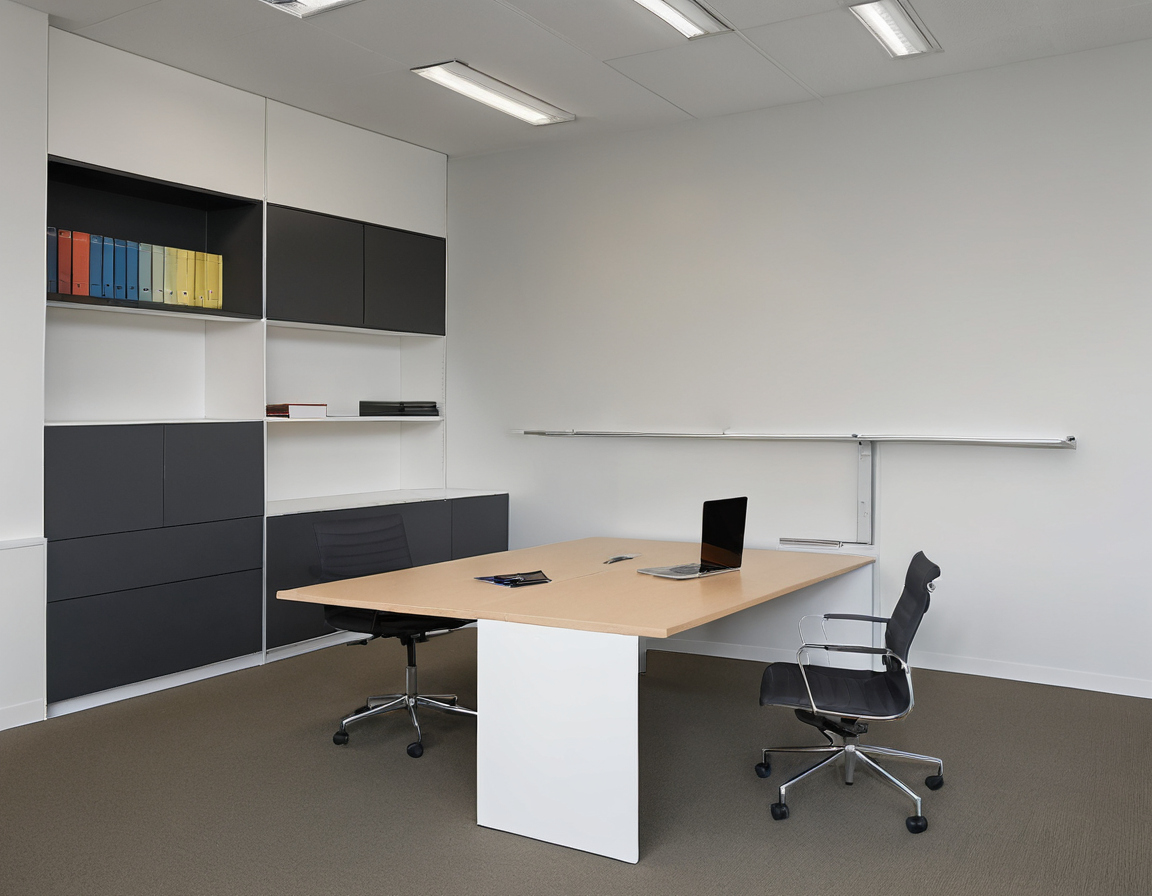
The first consultation should end with clear next steps, responsibilities, and questions answered shown with documents and desk details for context.
FAQ
What should I prepare before meeting an interior designer in the UAE?
Prepare property details, ownership or tenancy status, room list, photos, plans or measurements, budget band, timeline, access constraints, approval information, and a short list of problems each room must solve. Add moodboard references only after the practical brief is clear.
What are five essential questions to ask before hiring an interior design provider?
Ask what scope is being priced, what information is missing, who handles approvals and contractor coordination, what deliverables will be issued, and how changes, procurement decisions, and revisions will be controlled.
Do I need building or community approval before starting an interior design project in Dubai?
You may need approval if the project affects contractor access, common areas, flooring, ceilings, wet areas, MEP services, fire safety systems, structure, or commercial occupancy. Check the landlord, building management, community manager, master developer, and relevant authority route before committing to site work.
Should I prepare a moodboard before contacting Cccuwe?
Yes, but keep the moodboard selective. Bring a small set of images with notes on what you like, dislike, and need to avoid. A moodboard should support the brief, not replace decisions about rooms, budget, approvals, maintenance, and timeline.
Do interior design rules such as the 3-5-7 rule or 70-30 rule matter during the first consultation?
Design rules can help explain visual balance, colour proportion, and styling rhythm, but they are not the first priority. The first consultation should establish scope, site constraints, approval risks, budget structure, and deliverables before detailed styling formulas guide the scheme.