
Could the cheapest or neatest Cccuwe proposal be the hardest one to compare? Yes, if the scope does not show what the fee includes, what it excludes, who approves each decision, and which assumptions can change the final cost.
A UAE interior design proposal should be treated as a decision document, not just a design promise. Confirm whether Cccuwe is quoting the same level of design, procurement, fit-out support, site involvement, and client responsibility that the project needs.
A Cccuwe design proposal should be compared by scope clarity before price
A Cccuwe design proposal is ready to compare only when the scope makes the fee measurable. Price becomes useful after the document explains deliverables, exclusions, revision rounds, procurement role, site visits, assumptions, approvals, and payment milestones.
If the brief is still loose, revisit what to prepare before contacting Cccuwe about an interior design project before comparing fees, because missing room lists, site constraints, budget expectations, and decision makers can make two offers look more similar than they are.
What is the difference between a proposal and a scope for a Cccuwe project?
A proposal is the commercial offer: fee, payment terms, timing, headline services, and acceptance route. The scope is the working boundary inside that offer: tasks, deliverables, exclusions, assumptions, revision limits, approval duties, and handover points.
A strong Cccuwe proposal should state whether Cccuwe is providing design-only guidance, design coordination, procurement assistance, site supervision, or a wider delivery role. Each label should connect to named outputs and responsibilities.
Professional design organisations treat written agreements as risk-control tools. The American Society of Interior Designers describes its contract packages as resources intended to protect a design business and mitigate risk: ASID Contracts.
How can the reader make two interior design proposals comparable?
Do not compare the total fee first. Compare the work that the fee buys, then judge whether the price reflects the same responsibility.
- Fee basis: fixed fee, percentage, hourly rate, package fee, or separate design and supervision fees.
- Deliverables: named documents, drawings, schedules, specifications, and presentation materials.
- Revisions: included rounds, what counts as a revision, and cost of extra changes.
- Procurement role: sourcing advice, supplier coordination, purchasing, order tracking, or no procurement role.
- Site visits: frequency, purpose, reporting format, and whether visits are advisory or supervisory.
- Exclusions and assumptions: authority submissions, consultant work, site access, landlord rules, lead times, and product availability.
- Approvals and payments: who signs off each stage and which milestones trigger payment.
Which deliverables should a Cccuwe design proposal name before approval?
A Cccuwe design proposal should name the deliverables the client will receive before design, procurement, or fit-out decisions are made. It should make clear whether the service includes concept design, drawings, specifications, BOQs, authority coordination, procurement support, site visit notes, or supervision.
The Cccuwe deliverables checklist should separate design documents from execution support
Design documents explain what the project should become. Execution support helps other parties price, procure, approve, or build that design. The fee should not make the client guess where design advice ends and fit-out responsibility begins.
- Concept boards: visual direction, palette, references, and overall mood.
- Space plans and furniture layouts: room use, circulation, furniture positions, and key dimensions.
- Ceiling and electrical layouts: ceiling features, lighting intent, switching points, and power positions where included.
- Material specifications: finishes, surfaces, sanitaryware, ironmongery, or approved equivalents where relevant.
- FF&E schedules: furniture, fixtures, equipment, quantities, suppliers, and selection notes if procurement support is included.
- BOQ, authority coordination, or site visit notes: pricing support, approval follow-up, site observations, and recorded comments if included.
The proposal should state the level of detail for drawings and specifications
A drawing list alone is not enough. The Cccuwe proposal should state the purpose of each document, the level of detail, the issue format, and the intended use. Concept drawings support decisions. Tender information supports pricing. Construction information supports execution.
If a brief asks for a named accessibility reference, the proposal should state the reference and who checks it. For example, the U.S. Department of Justice publishes the 2010 ADA Standards for Accessible Design. If a brief asks for indoor air quality preferences, the proposal should define material criteria, because the U.S. Environmental Protection Agency identifies building materials and furnishings as possible VOC sources: EPA guidance on VOCs.
Cccuwe scope boundaries should show what is included, excluded, and assumed
A Cccuwe scope is safer to approve when inclusions, exclusions, and assumptions appear in separate sections. For UAE clients, this reduces disputes over authority approvals, structural changes, MEP changes, supplier availability, landlord requirements, and client-provided information.
What is out of scope in a Cccuwe interior design proposal?
Out-of-scope items are tasks a client may still need, even if the proposal looks complete. A clear Cccuwe proposal should state whether the fee excludes:
- Structural engineering, load checks, core drilling approval, or slab and wall modifications.
- Statutory approval coordination, landlord submissions, civil defense-related coordination, or municipality-facing documents.
- Specialist surveys, measured drawings, MEP consultant input, acoustic studies, lighting calculations, or fire strategy advice.
- Loose furniture procurement, custom joinery shop drawings, contractor pricing, tender management, or post-handover maintenance.
- Site supervision beyond named visits, snagging after handover, or contractor quality control.
Which assumptions can change the Cccuwe project cost or timeline?
Assumptions are the conditions behind the price and programme. The proposal should say what happens if an assumption proves wrong, because that is where variation requests and change orders usually start.
- Site dimensions are accurate and no hidden MEP, waterproofing, structural, or access constraints are discovered.
- Landlord rules, authority comments, and building management access do not require redesign.
- Client-selected materials, furniture, sanitaryware, lighting, and appliances remain available within the planned lead time.
- Imported items, delivery charges, storage, VAT treatment, duties, and installation costs are either included or clearly excluded.
- The client gives timely decisions on layouts, finishes, budgets, and substitutions.
Which client responsibilities should be listed before approval?
Client responsibilities should be practical, not buried in general terms. Before approving the Cccuwe scope, check who supplies the tenancy contract, landlord guidelines, base-build drawings, site access, budget limits, existing furniture details, appliance lists, and decision approvals.
Do not approve a scope that leaves responsibility unclear. Once boundaries are written, the next risk is whether revision rounds, timelines, and approvals operate as a controlled workflow.
Revision rounds, timelines, and approvals should be written as a workflow
A Cccuwe proposal should define review stages, revision rounds, response times, meeting formats, decision owners, and what happens when feedback arrives late or changes a signed-off direction.
How many revision rounds are included in the Cccuwe proposal?
The Cccuwe proposal should state included revision rounds by stage, not as a vague total. Check whether each round means one consolidated feedback set, one meeting, one drawing update, or small comments within a review window.
Revision wording should separate design refinement from rework. Refinement adjusts within the agreed brief before sign-off. Rework reopens an approved direction, changes the brief, adds rooms, changes the budget target, or revises drawings after procurement or site work has started. The proposal should say which changes trigger extra fees or a revised timeline.
Who approves each stage of the Cccuwe design process?
Approval authority should be named before work begins. A residential project may involve more than one homeowner. A commercial project may involve a business owner, operations manager, landlord, building management team, or appointed project manager.
A practical approval workflow should cover:
- concept approval, including mood direction, layout intent, and budget alignment;
- design development approval, including finishes, drawings, specifications, and key selections;
- final approval, including permission to proceed to pricing, procurement, or fit-out coordination;
- procurement approval, including selected items, alternates, lead-time risks, and purchase instructions;
- site-stage queries, including who answers, how quickly, and where the decision is recorded.
Approval records should be written in a durable format, such as email confirmation, signed drawings, meeting minutes, or a project-management platform entry.
Revision rounds, timelines, and approvals should be written as a workflow shown with practical context cues.
Procurement and fit-out assumptions can change the real value of a Cccuwe proposal
A Cccuwe proposal may look complete but still leave procurement and fit-out risks outside the fee. Check who sources materials, confirms availability, manages supplier substitutions, coordinates contractors, reviews shop drawings, handles deposits, and records change orders before approving the scope.
Does the Cccuwe proposal include procurement or only design guidance?
A design specification names what should be bought or built. Procurement support goes further: supplier contact, price checking, order coordination, delivery tracking, substitution approval, and handover of FF&E items such as furniture, fixtures, and equipment.
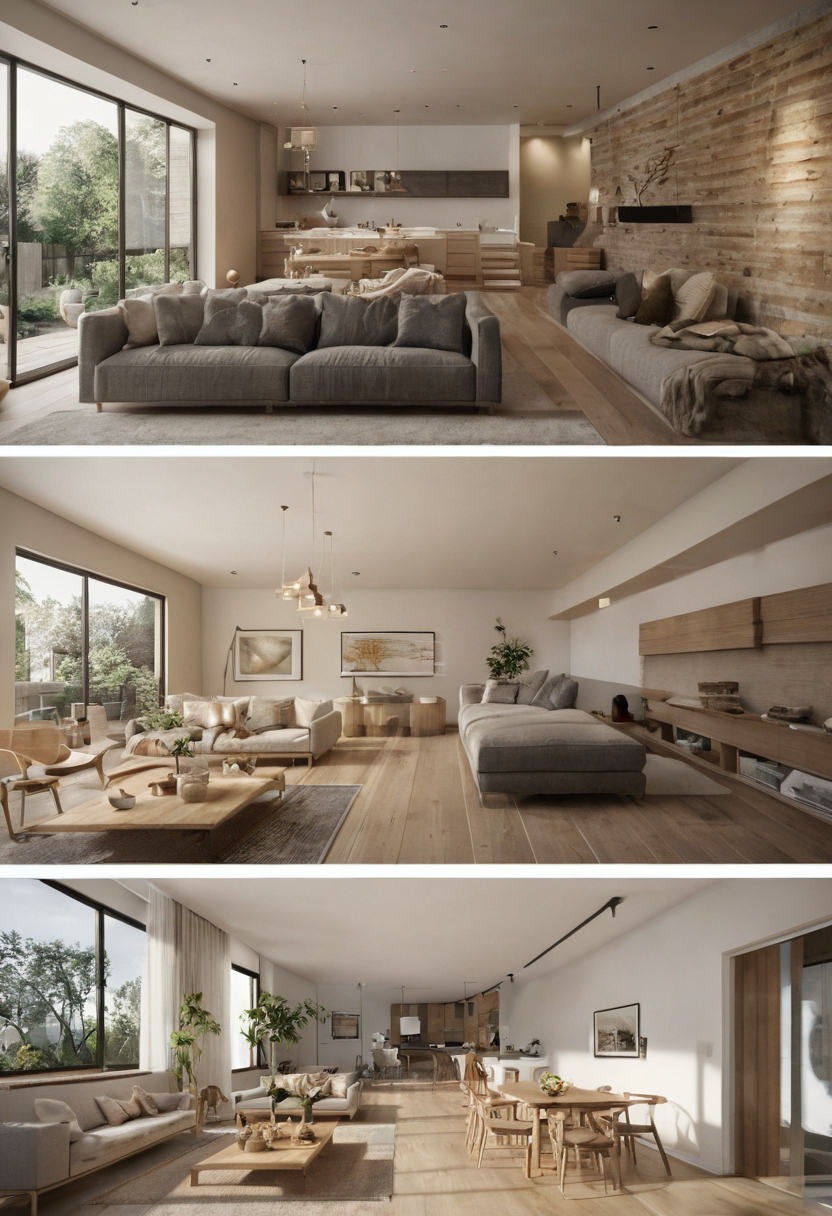
Procurement and fit-out assumptions can change the real value of a Cccuwe proposal shown as an editorial planning reference.
The proposal should state whether Cccuwe is providing design guidance, purchasing support, contractor coordination, design supervision, or full fit-out delivery. If the wording only says “materials to be specified,” do not assume that purchasing, expediting, installation coordination, or supplier dispute handling is included.
How should deposits, staged payments, and change orders be checked?
Payment risk grows when the proposal separates design, suppliers, and contractors without a written process. ASID states that strong design-business contracts help limit liability and diminish risk across client, vendor, and contractor agreements.
- Deposits: confirm what the deposit covers, whether it is refundable, and when supplier orders become committed.
- Staged payments: link each payment to a named milestone, deliverable, approval, or site stage.
- Change orders: require written approval for scope changes, substitutions, extra site visits, rush orders, and contractor variations.
- Fit-out costs: ask whether installation, authority coordination, landlord requirements, VAT, delivery, storage, and remedial works are included or excluded.
A Cccuwe proposal should not be approved until red flags are resolved in writing
A Cccuwe proposal should be paused if deliverables, exclusions, assumptions, payment milestones, revision limits, approval duties, or change procedures cannot be identified. Unclear wording should be clarified in writing before any deposit, purchase instruction, or construction commitment.
The Cccuwe proposal review checklist before signing
The final review should test whether the proposal can guide a real project, not only describe an attractive design intent. Before approval, check that the written scope covers:
- named deliverables and their intended use;
- exclusions, assumptions, and client-supplied information;
- revision rounds, timeline, and approval points;
- payment milestones, procurement role, and supplier responsibilities;
- authority, landlord, or building management coordination where relevant;
- change order process for added work, upgraded finishes, or site conditions;
- site supervision scope, visit frequency, and reporting method.
Which clarification questions should the reader send to Cccuwe?
Client questions should be neutral and specific. Ask: “Can Cccuwe confirm whether this item is included, excluded, or assumed?” “What happens if the landlord requires extra drawings?” “Which purchases need written approval before ordering?” “How are additional revisions or site visits priced?” Approve only after the answers are captured in a revised proposal, written addendum, or signed scope confirmation.
FAQ: approve only after the Cccuwe scope is specific
How do I evaluate a Cccuwe design proposal before approving it?
Evaluate the proposal by scope clarity first. Check deliverables, exclusions, assumptions, revisions, procurement role, site involvement, approvals, and payment milestones before comparing the headline fee.
What is the difference between the proposal and the scope in a Cccuwe project?
The proposal is the commercial offer. The scope is the detailed boundary of work, including what Cccuwe will do, what Cccuwe will not do, and what the client must provide or approve.
How do I determine what is out of scope in an interior design proposal?
Look for an exclusions section. If exclusions are missing, ask Cccuwe to mark each uncertain item as included, excluded, or assumed before approval.
Should procurement, fit-out, and site supervision be included in the Cccuwe proposal?
They should be included only if the client needs those services and the proposal names the role, limits, fees, approval process, and reporting method. Design guidance alone does not automatically include purchasing or contractor control.
What questions should I ask Cccuwe before paying a deposit or signing the scope?
Ask what the deposit covers, which deliverables trigger payments, which changes need written approval, who approves purchases, and how extra revisions, site visits, supplier substitutions, or contractor variations are priced.